
A serious crash can upend your finances, your health, and your peace of mind almost overnight. If the at-fault driver’s insurance won’t offer a fair settlement, a car accident lawsuit may be your best path to real compensation. New Jersey’s filing deadlines and court procedures aren’t forgiving. Here’s what actually happens, step by step, and how timing can make or break your claim.
When Does a Car Accident Turn Into a Lawsuit
Signs your claim may need to go to court
Here’s the truth most people don’t expect: most New Jersey car accident claims settle with insurance companies and never see a courtroom. Adjusters would rather write a check than fund a trial. But that only happens when the facts are clean and the number on the table is fair. When either of those breaks down, a lawsuit stops being a last resort. It becomes the only option.
Disputed liability is the most common trigger. If the other driver’s insurer blames you, or claims the accident happened differently than you remember, a lawsuit may be the only way to get a neutral judge or jury to sort it out. Severe injuries change the math too. A broken leg requiring surgery and months of lost wages isn’t something an insurer settles with a form-letter offer. Reviewing common mistakes that can ruin your personal injury case early on helps you avoid handing the insurer an excuse to dispute fault later.
Sometimes it’s simpler than that: the insurer just won’t budge. Lowball offers, slow-walked negotiations, or a flat refusal to acknowledge real medical costs all push a claim toward litigation. No lawsuit, no leverage. That’s just how it works.
New Jersey’s filing deadline basics
New Jersey law generally gives you two years from the date of the accident to file a lawsuit. Miss that window, and you likely lose the right to sue, regardless of how strong your case was. Two years sounds like plenty of time. It isn’t, once medical treatment, insurance back-and-forth, and documentation delays eat into it.
Certain situations tend to run the clock faster toward litigation. Underinsured or uninsured driver cases, for instance, often can’t be resolved through simple negotiation because there’s no adequate policy backing the other side. Lingering symptoms also matter here; understanding the symptoms of whiplash after a car accident can affect how long treatment runs and how soon a realistic settlement figure even exists. Catastrophic injuries, think spinal damage or long-term disability, raise the stakes so high that insurers rarely volunteer a sum that covers lifetime costs.
In those bigger cases, waiting around for a generous offer is wishful thinking. Filing suit well before the deadline preserves your options and keeps pressure on the other side.
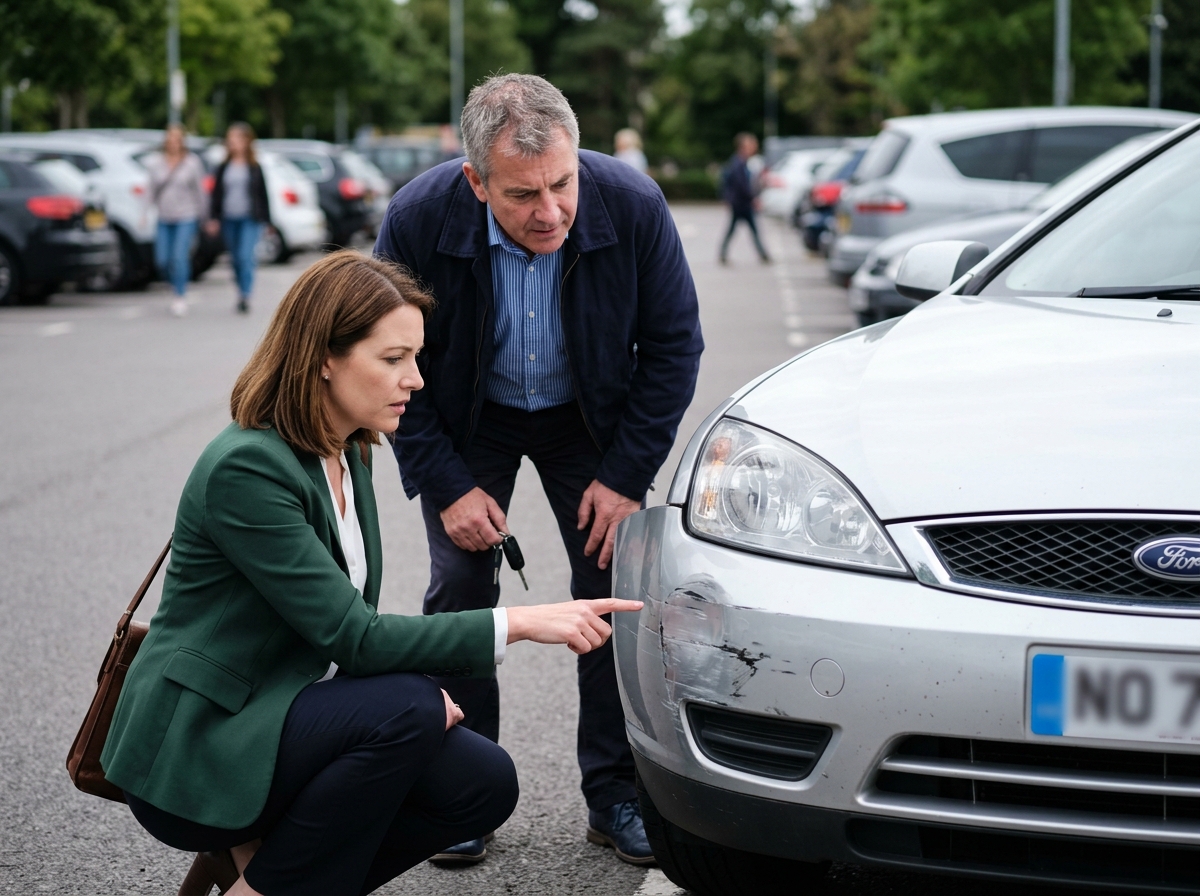
Who Actually Pays in a Car Accident Lawsuit
Start with the obvious answer: the at-fault driver’s insurance company. That’s where almost every claim begins. New Jersey requires drivers to carry liability coverage, but the minimums aren’t generous. A standard policy might only carry $15,000 to $25,000 per person for bodily injury, depending on the plan type chosen. If you’ve got a broken leg, surgery, and months of lost wages, that number can disappear fast. The insurer pays out up to the policy limit, and not a dollar more, no matter how serious the injury.
When coverage falls short of the damages
Here’s the uncomfortable part. When medical bills and lost income climb past what the policy covers, the at-fault driver can be held personally responsible for the rest. That means their wages, savings, or property could be on the line through a judgment. In practice, many drivers don’t have much to collect from, which is exactly why your own underinsured motorist coverage often becomes the real safety net. It’s worth reading up on how to evaluate legal representation for car accidents before assuming the at-fault driver’s policy will cover everything.
Liability doesn’t always stop with the driver, either. If the car belonged to someone else, the owner may share responsibility. If the driver was on the clock, their employer’s commercial policy could be the deeper pocket. In rarer cases, a poorly designed intersection or a missing traffic signal points to a municipality or state agency, though those claims come with strict, short notice deadlines. A hit-and-run changes the playbook entirely. With no identifiable defendant, you’ll likely be filing against your own uninsured motorist coverage instead, and documenting how the crash happened matters just as much as in any other case; understanding hit and run car accident claims in New Jersey helps explain what evidence insurers expect to see.
Common Insurance Company Tactics That Delay Fair Payouts
Insurance adjusters have one job: protect the company’s money. That means slowing you down, wearing you out, or getting you to settle before you know what your case is really worth. It’s not personal. It’s business. But it can cost you thousands if you don’t see it coming.
- Disputing fault entirely by claiming you ran the light, changed lanes improperly, or otherwise caused the crash, even when the police report says otherwise.
- Downplaying injury severity, arguing that a soft-tissue injury or herniated disc is minor and should heal within weeks, regardless of what your doctor says.
- Blaming pre-existing conditions for your current pain, a tactic that’s common enough that understanding how prior conditions affect a claim’s value can help you push back with the right documentation.
- Dragging out the process for months through repeated document requests, slow callbacks, and unexplained delays, hoping frustration pushes you toward a smaller number.
- Offering a quick lowball settlement within days of the crash, before an MRI or specialist visit has even happened, locking in a number far below your actual damages.
- Requesting recorded statements early and using casual, unguarded answers against you later to argue you weren’t really hurt.
None of these tactics are illegal. They’re just leverage. That’s exactly why things to consider when choosing a personal injury attorney matter long before a lawsuit ever gets filed.
The Car Accident Lawsuit Process From Filing to Resolution
Once a complaint is filed, the clock starts running on a fairly predictable sequence. Filing is what formally turns a claim into a lawsuit, putting the other side on legal notice and setting deadlines everyone has to follow. From there, the case moves through discovery, possible pre-trial motions, maybe a trial, and finally resolution one way or another. Most cases still settle before a trial date ever arrives, but knowing the stages helps you understand where your case sits right now.
Typical timeline from filing to verdict
Timelines vary by county and how contested the facts are, but there’s a rough pattern worth knowing. If you’re wondering why your case feels slow, understanding how long does a car accident settlement take can set realistic expectations before you start comparing notes with friends who had different outcomes.
| Stage | Typical Duration | What Happens |
|---|---|---|
| Filing the complaint | 1 day | Lawsuit formally begins; defendant is served |
| Discovery | 6–12 months | Records, depositions, and evidence exchanged |
| Pre-trial motions | 2–4 months | Issues narrowed; settlement talks often intensify |
| Trial | 3–10 days | Opening statements, witnesses, evidence, verdict |
| Post-trial | Weeks to years | Appeals or enforcement of judgment |
Notice how discovery eats up the most time. That’s normal. It’s also where cases are usually won or lost, long before a jury ever hears about it.
What discovery requires from both sides
Discovery is the unglamorous middle part nobody warns you about. Both sides exchange medical records, crash reports, repair estimates, and witness statements. Depositions get scheduled, where you answer questions under oath about the crash and your injuries. For more serious injuries, this stage often includes expert input, and learning how to prove a traumatic brain injury shows why medical documentation carries so much weight here. Pre-trial motions and settlement conferences frequently follow, trimming weak claims or pushing both sides toward a number they can live with. If talks stall, trial brings opening statements, evidence, testimony, and a verdict. Even after that, appeals or enforcement issues can stretch things further. None of it is quick. But it’s thorough, and thorough is usually what gets a fair result.
Why Some Car Accident Claims Go to Court While Others Settle
Most car accident claims settle. But some don’t, and it’s rarely random. Certain fact patterns push insurers to dig in and fight rather than write a check, especially when the numbers get big or the facts get messy. Knowing which red flags tend to drag a case into litigation can help you set realistic expectations early, instead of assuming every claim wraps up in a few months with a phone call and a settlement letter.
Here are the circumstances that most often turn a routine claim into a lawsuit:
- Disputed liability, where each driver points the finger at the other and there’s no clear police finding to settle it.
- Catastrophic or long-term injuries that carry high-dollar damages, like spinal injuries or permanent disability, where insurers push back hard on the price tag.
- Insurance bad faith, meaning an unreasonable denial, a lowball offer, or a delay tactic that leaves the victim with no choice but to file suit.
- Multiple defendants, such as a commercial truck driver and the trucking company that employs them, each pointing blame at the other’s insurer.
- Defective vehicle parts, where a manufacturer’s design or production flaw contributed to the crash, adding a product liability layer to the case.
- Government liability for road conditions, like a poorly maintained intersection, which brings added notice deadlines and procedural hurdles.
Truck cases in particular tend to run longer than typical car claims, partly because of the extra defendants and insurance layers involved; reviewing data on how long a truck accident case typically takes to settle gives a realistic sense of the timeline. None of these situations guarantee a trial. They just make one a lot more likely.
car accident lawsuit: What Compensation Can You Pursue
Money damages in a car accident case usually break into two buckets. Economic damages are the ones you can put a number on: medical bills, lost wages from time off work, future medical care, and the cost to repair or replace your vehicle. These are backed by receipts, pay stubs, and repair estimates. If you’re still unsure what counts toward a claim, a general guide to car accident claims in new jersey lays out the basics before you dig into specifics.
Non-economic damages cover the stuff that doesn’t come with a receipt. Pain, suffering, disfigurement, and a diminished quality of life all fall here. A broken leg that heals in eight weeks is worth less, in legal terms, than a spinal injury that keeps you off the golf course for good. It’s subjective, sure. But it’s also real money, and insurers know it.
How comparative fault affects your payout
New Jersey follows a modified comparative negligence rule. If you’re found partly responsible for the crash, your recovery gets reduced by your percentage of fault. Say you’re awarded $100,000 but found 20% at fault for speeding — you’ll collect $80,000, not the full amount. Cross the 51% threshold, though, and you recover nothing. That’s a hard line, not a guideline.
This is exactly where insurance adjusters dig in. They’ll often try to pin extra blame on you early, before you’ve even seen a medical report, because every point of fault shifts money away from your claim. Shared fault reduces recovery; it doesn’t erase it outright, unless you cross that cutoff.
Multiple insurance policies can also come into play when more than one party contributed to the crash — a distracted driver who rear-ended you after another car cut them off, for example. In those cases, more than one policy may need to respond, and sorting out which insurer pays what adds another layer of negotiation. Severe or long-term cases raise the stakes further. Catastrophic injuries like spinal damage or permanent disability require expert input to project future medical costs, lost earning capacity, and lifetime care needs, since a rough guess won’t hold up against a well-funded defense team.
Related Situations: Trucks, Workplaces, and Unsafe Property
Not every crash fits the standard car-on-car mold. Truck accident cases usually involve commercial insurance policies with much higher limits, plus a tangle of potentially liable parties — the driver, the trucking company, a leasing outfit, maybe a cargo loader. Figuring out who actually pays takes real digging into logbooks and maintenance records. If you got hurt while driving for work — a delivery run, a client visit, anything on the clock — you may have a workers’ compensation claim running parallel to any injury lawsuit against the other driver. Those two claims interact in ways that trip people up, especially around what you can recover twice and what you can’t.
Property conditions matter too. A parking lot pileup caused by dead lighting, missing signage, or black ice that never got salted can raise premises liability questions separate from the crash itself. Same goes for a wreck caused by a part that failed — a tire blowout, brake failure, a steering defect — which can support a product liability claim against a manufacturer instead of, or alongside, a claim against the other driver. Worth noting: these aren’t theoretical edge cases. They show up constantly in everyday fender-benders that looked simple at first glance.
A few situations deserve extra caution before you assume standard rules apply. Motorcycle crashes carry their own evidentiary quirks, and small missteps early on can hurt you later — in fact, understanding mistakes that can ruin your motorcycle accident claim is worth doing before you talk to any insurer. Weiner Mazzei doesn’t advertise motorcycle accident cases as a separate service, but its motor vehicle and catastrophic loss representation may fit. Confirm with the firm directly. Fatal crashes also involve distinct legal paths. Wrongful death claims aren’t listed among the firm’s services, though its catastrophic loss and truck accident work covers families facing the most severe outcomes, so confirm fatality claims directly with the firm too. Same goes for a crash caused by a drunk driver: the criminal side belongs to a defense attorney, but the civil side, chasing compensation for your injuries, is where the firm’s motor vehicle accident representation fits. Don’t guess on any of this. Call and ask which claim type actually fits your situation — 973-471-2300 gets you a straight answer.
Choosing Legal Representation for a Car Accident Lawsuit
Not every attorney handles a crash case the same way. Some settle fast and move on. Others dig in and build a real record. Knowing the difference before you sign anything can save you thousands.
Questions to ask before hiring an attorney
Start with how the attorney thinks about the other side. Insurance companies evaluate claims using internal formulas and adjuster training designed to minimize payouts, so you want someone who understands that process from the inside, not just from textbooks. Ask whether the firm brings in medical specialists and accident reconstruction experts to document injuries and fault, rather than guessing at a settlement number. Also ask how often you’ll hear from your lawyer. A good sign is a firm that gives you real guidance on finding the right personal injury lawyer before you commit to anything. Here’s a quick way to compare firms side by side:
| What to Ask | Weak Answer | Strong Answer |
|---|---|---|
| How do you value my claim? | “We’ll see what insurance offers.” | Uses medical and reconstruction experts to document damages |
| Who will handle my case? | Vague, passed between staff | Named attorney, direct contact line |
| How often will I get updates? | “We’ll call if something happens.” | Regular, scheduled case and medical updates |
| Do you know insurer tactics? | No defense-side background | Former claims or defense experience on staff |
How Weiner Mazzei approaches car accident claims
Franco Mazzei spent years on the other side, as a defense lawyer and an insurance claims director. That background matters. He’s seen how insurers prepare their defense, and he applies that knowledge for injury victims instead. The team has represented people across Passaic, Bergen, Hudson, Essex, Middlesex, Mercer, Morris, Monmouth, and Somerset counties since the 1970s. That’s decades of local case history, not a new office testing the waters. If you’ve been hurt in a car accident, truck accident, or on unsafe property, call the Passaic office at 973-471-2300 to talk through your options.
Before moving forward, it helps to be honest about what kind of harm occurred and where it happened, since that shapes which path actually applies. Someone hurt in a crash, at work, or on a property that wasn’t properly maintained is dealing with a different set of questions than someone facing a medical error or a dispute that calls for a different kind of attorney entirely. Taking stock of those details first makes it easier to figure out who can genuinely help.