
A motorcycle crash can upend your life in seconds—leaving you with mounting medical bills, lost wages, and an insurance company already working to minimize your claim, all while New Jersey’s strict filing deadlines keep ticking. If you’re searching for a motorcycle accident lawyer new jersey riders trust, you need more than generic advice. You need a clear roadmap for what to do next, what your case may be worth, and how the state’s unique motorcycle liability laws affect your recovery. This 2026 guide from Weiner Mazzei breaks down what injury victims need to know, from immediate post-crash steps to negotiating with insurers and pursuing full compensation.
What to Know Before Hiring a Motorcycle Accident Lawyer New Jersey Victims Trust
Why Motorcycle Cases Require Specialized Experience
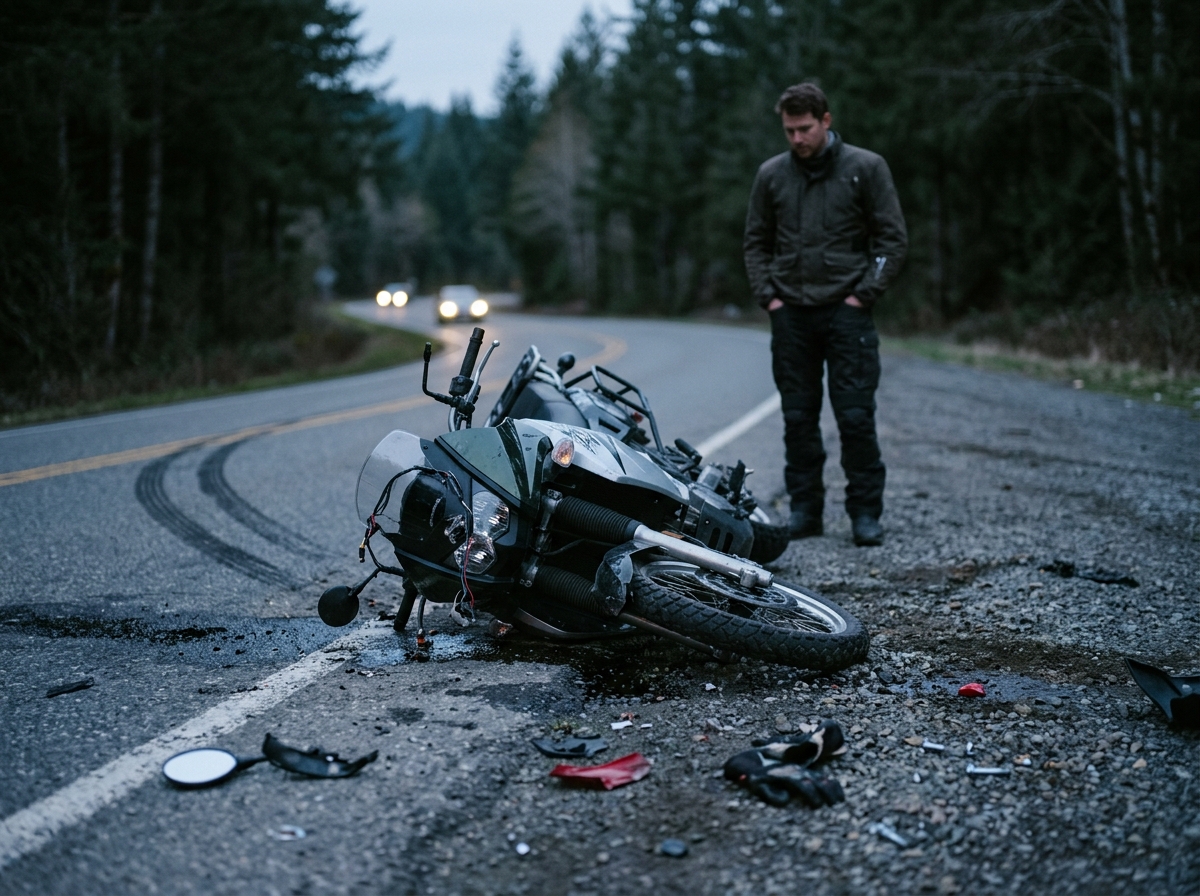
Motorcycle crashes aren’t ordinary fender-benders. Riders get hurt worse because they don’t have a metal frame, airbags, or seatbelts protecting them. A specialized attorney understands crash dynamics unique to bikes: road rash patterns, laying the bike down, high-speed ejection injuries.
General practice lawyers may not know how to reconstruct a motorcycle crash scene. They can miss key evidence, like skid marks, throttle position, or helmet damage. An experienced firm knows how to work with accident reconstruction experts to build a strong case from day one.
This is similar to hiring the best attorney for car accidents new jersey riders recommend, but with added focus on two-wheeled crash specifics. The right lawyer knows the difference matters.
Bias Against Riders in Insurance Claims
Insurance adjusters often assume bikers are reckless. This bias can hurt a fair settlement before the case even starts. Riders get unfairly blamed even when a car driver caused the crash by turning left or changing lanes without checking.
An experienced lawyer pushes back against these assumptions. They gather witness statements, traffic camera footage, and police reports to prove fault accurately. This levels the playing field against insurers looking to reduce payouts.
Some crashes cause severe head trauma, requiring specific proof of harm. Knowing how to prove a traumatic brain injury can make or break a claim involving cognitive damage.
What a Free Consultation Should Include
A strong consultation covers your accident details, injuries, and insurance coverage. The lawyer should explain your legal options clearly, in plain language, not confusing jargon.
Expect an honest case evaluation. A good free consultation also outlines potential compensation, timeline expectations, and next steps you can take right away.
Common Causes of Motorcycle Accidents in New Jersey
Driver Negligence and Failure to Yield
Most motorcycle crashes trace back to a driver who never saw the rider. Failure to yield is the most common cause. Drivers turn left across traffic, misjudge a motorcycle’s speed or distance, and cut the rider off before they can react.
Some intersections see this problem more than others. Data on which cities in new jersey have the most car accidents shows crash patterns often cluster around busy urban intersections and highway on-ramps.
Road Design and Hazardous Conditions
New Jersey’s roads present unique dangers for riders. Narrow lanes, uneven pavement, and poor drainage can throw a motorcycle off balance in an instant. Consider these common hazards:
- Potholes and cracked pavement that force sudden swerves at highway speed
- Wet or icy roads that reduce traction and lengthen stopping distance
- Loose gravel or debris left behind after construction work
- Faded lane markings that make lane splitting or merging riskier
- Poor lighting at night that hides riders from oncoming traffic
Speeding, Distraction, and Impaired Driving
Human error remains a leading cause of serious crashes. A driver checking a phone, eating, or adjusting a GPS may miss a motorcycle entirely. Alcohol and drugs slow reaction time even further, making split-second avoidance nearly impossible.
Speeding compounds every other risk factor on this list. It shortens reaction windows and turns minor mistakes into catastrophic collisions. Larger vehicles add another layer of danger; understanding what is a cmv accident helps explain why crashes involving trucks and buses often cause severe motorcycle injuries.
Common Injuries Suffered in New Jersey Motorcycle Crashes
Catastrophic and Life-Altering Injuries
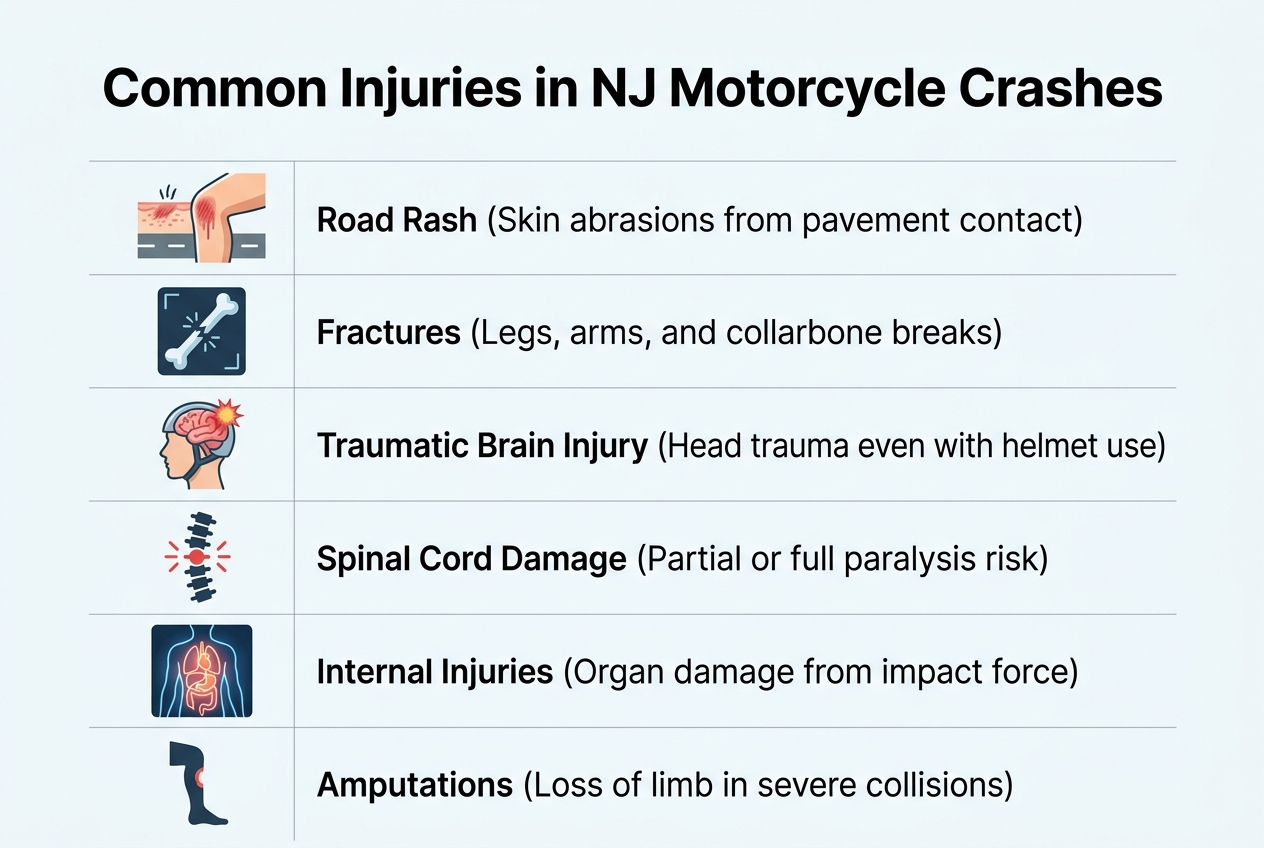
Motorcycle riders have little protection when a crash happens. This leaves them open to some of the most severe injuries seen in any type of traffic collision. Traumatic brain injuries are common when a rider’s head strikes pavement, a curb, or another vehicle, even with a helmet on. Symptoms can appear right away or develop over days.
These injuries often bring memory loss, mood changes, and trouble concentrating. Understanding the long term effects from a brain injury helps families plan for ongoing medical care and financial strain. Some victims never fully recover their prior abilities.
Spinal injuries also rank among the most devastating outcomes. Damage to the spinal cord can cause partial or full paralysis, changing a victim’s life within seconds.
Orthopedic and Soft Tissue Injuries
Road rash happens when skin scrapes against asphalt during a slide. It can range from minor abrasions to deep wounds needing skin grafts and weeks of wound care.
Fractures are also extremely common. Riders often break arms, legs, ribs, collarbones, or pelvic bones during impact. Some fractures require surgery, metal plates, or screws to heal properly. Recovery can take months, and many victims face repeat surgeries.
Long-Term Rehabilitation and Care Needs
Serious motorcycle injuries rarely end with hospital discharge. Spinal cord damage often requires physical therapy, mobility equipment, and home modifications. The therapy schedule may last years, not weeks.
Victims with brain injuries often need speech, occupational, and cognitive therapy. Many local businesses offer transportation or in-home services to support recovery. As detailed by a New Jersey Motorcycle Accident Lawyer, these long-term costs should factor heavily into any injury claim.
Understanding Your Legal Rights After a Motorcycle Crash
New Jersey’s Comparative Negligence Standard
Every injured rider has the right to pursue compensation, even if they share some blame for the crash. New Jersey follows a modified comparative negligence rule. If you’re found less than 51% at fault, you can still recover damages. Your payout simply gets reduced by your percentage of fault.
For example, a rider found 20% at fault for lane-splitting could still recover 80% of their damages. This rule matters because insurers often try to shift blame onto motorcyclists to reduce payouts. Understanding this standard, similar to issues that arise in cases involving what to do after a semi truck accident, helps riders push back against unfair fault assignments and protect their claim’s full value.
Insurance Company Tactics to Watch For
Insurance companies have real insurance obligations toward injured riders, but adjusters often work to minimize payouts. Common tactics include quick lowball offers, requests for recorded statements, and delayed claim processing. Some adjusters even suggest riders were speeding without solid proof.
Never accept a first settlement offer without review. Adjusters count on riders accepting fast cash before understanding their injuries’ full cost. Watch for pressure tactics, confusing policy language, and requests to sign broad medical releases early in the process.
Your Rights When a Helmet Wasn’t Worn
Not wearing a helmet doesn’t erase your right to compensation. New Jersey law doesn’t automatically bar recovery for helmetless riders, though insurers may argue it increased injury severity. This argument affects damages, not your basic legal standing. Firms like New Jersey Motorcycle Accident Lawyer: Jerry Friedman often address these disputes directly, since they require careful evidence review, medical documentation, and strong legal pushback against unfair blame-shifting by insurance carriers.
New Jersey Motorcycle Laws Every Rider Should Know
Helmet and Safety Equipment Requirements
New Jersey requires every rider and passenger to wear a helmet, no matter their age or riding experience. The helmet must meet U.S. Department of Transportation standards. Eye protection is also mandatory unless the motorcycle has a windscreen. Riders who skip these requirements risk a ticket and a weaker injury claim if a crash happens.
Insurance Coverage Minimums for Riders
New Jersey follows a no-fault system for many vehicle claims, but motorcycles are treated differently under state law. Riders must still carry liability coverage, and understanding new jersey no fault laws helps explain why medical payment options and claim procedures differ from car accident cases. The table below breaks down common coverage minimums riders should confirm with their insurer.
| Coverage Type | Minimum Required | Notes |
|---|---|---|
| Bodily Injury Liability (per person) | $35,000 (policies issued or renewed from Jan. 1, 2026) | Pays for injuries you cause others |
| Bodily Injury Liability (per accident) | $70,000 (policies issued or renewed from Jan. 1, 2026) | Combined limit for multiple victims |
| Property Damage Liability | $25,000 | Covers damage to other vehicles |
| Uninsured Motorist Coverage | Optional but recommended | Protects riders hit by uninsured drivers |
Licensing, Lane Splitting, and Equipment Laws
Riders need a valid motorcycle license endorsement before operating on public roads. New Jersey bans lane splitting entirely, unlike some other states. Handlebars cannot rise above shoulder height, and mufflers must meet noise limits. Riders facing citations or crash disputes often review resources like Woodbury NJ Motorcycle Accident Lawyers to better understand how these rules affect fault determinations.
Proving Fault in a New Jersey Motorcycle Accident Claim
Evidence That Strengthens Your Case
New Jersey follows a comparative negligence rule. If you are found more than 50% at fault, you cannot recover damages. This makes strong evidence critical from the very first moments after a crash. Photos of the scene, vehicle damage, skid marks, and road conditions can all support your version of events. Even a cracked helmet or torn riding gear can help show impact force and severity.
Medical records also matter. They connect your injuries directly to the crash and rule out other explanations an insurer might raise. Keeping a written log of pain levels, missed workdays, and treatment visits adds detail insurers cannot easily dismiss. The more documentation gathered early, the harder it becomes for the other side to twist the facts later.
Working with Accident Reconstruction Experts
Police reports and witness statements often form the backbone of a claim. Officers record vehicle positions, weather, and citations issued at the scene. Witnesses can confirm details a rider may not have seen, such as a driver running a red light or merging without signaling.
When facts are disputed, an accident reconstruction expert can analyze skid patterns, vehicle speeds, and impact angles. Their findings often carry significant weight with insurance adjusters and juries alike, sometimes making the difference in a contested claim.
Overcoming Bias Against Motorcyclists
Riders often face unfair assumptions that they were speeding or reckless, even without proof. Insurers may use this bias to reduce settlement offers. Clear evidence and expert analysis help counter these stereotypes with facts, not opinions. Reviewing 10 things to consider when choosing a personal injury att… can help riders find representation prepared to push back against bias.
Resources like New Jersey Motorcycle Accident Attorneys also outline how experienced advocates challenge these assumptions in negotiations and courtrooms.
Compensation Available to Injured Motorcyclists
Economic Damages: Medical Bills and Lost Income
Motorcycle crashes often cause severe injuries with high medical costs. Riders lack the protection a car frame provides, so injuries tend to be more serious. Economic damages cover the financial losses tied directly to the crash. These claims work much like other car accident claims, but often involve larger totals due to injury severity.
- Emergency room visits, surgeries, and hospital stays that can quickly reach tens of thousands of dollars.
- Ongoing physical therapy or rehabilitation needed to regain mobility after fractures or nerve damage.
- Lost wages from missed work during recovery, including overtime and bonuses the victim would have earned.
- Reduced future earning capacity for riders who cannot return to their previous job duties.
- Costs for medical equipment, such as wheelchairs, braces, or home modifications for lasting injuries.
Non-Economic Damages: Pain and Suffering
Pain and suffering damages address the physical and emotional toll of a crash. New Jersey law allows victims to seek compensation for chronic pain, anxiety, and lost enjoyment of daily activities. These damages are harder to calculate but are just as real as medical bills.
Wrongful Death Compensation for Families
When a crash proves fatal, families may pursue a wrongful death claim. This can include funeral costs, lost financial support, and loss of companionship. A knowledgeable New Jersey Motorcycle Accident Lawyer can help grieving families understand these options during an incredibly difficult time.
Steps to Protect Your Motorcycle Accident Claim
Immediate Steps After the Crash
The first hour after a crash shapes the entire claim. Small actions at the scene can protect your health and your case. Focus on safety first, then evidence.
| Step | Action | Why It Matters |
|---|---|---|
| 1 | Call 911 | Creates an official police report |
| 2 | Get medical care | Documents injuries early |
| 3 | Photograph the scene | Preserves proof before it disappears |
| 4 | Collect witness names | Supports your version of events |
| 5 | Avoid social media posts | Prevents statements used against you |
What Not to Say to Insurance Adjusters
Adjusters often call within days of a crash. Keep answers short. Never guess about injuries or admit fault. Avoid recorded statements without guidance. A well-known resource, New Jersey Motorcycle Accident Lawyer – Bramnick Law, notes that early statements often get twisted later. Say less, document more.
New Jersey’s Filing Deadlines and Statute of Limitations
New Jersey gives injury victims two years from the crash date to file a lawsuit. Miss this deadline, and your claim usually ends right there. Property damage claims often move faster. Understanding how long does a car accident settlement take helps set realistic expectations while evidence is gathered and treatment continues.
How a Lawyer Handles Complex Motorcycle Accident Issues
Dealing with Uninsured or Underinsured Drivers
Many New Jersey drivers carry only minimum insurance, and some carry none at all. When a motorcyclist gets hit by an uninsured driver, a uninsured motorist claim becomes the main path to recovery. This process requires filing against the rider’s own policy, which can feel confusing without guidance.
An attorney reviews the policy limits and gathers proof of the crash. This includes police reports, medical bills, and lost wage records. Insurance companies often push back hard on these claims, arguing injuries are minor or unrelated to the crash. Strong documentation counters these tactics and protects the settlement amount owed to the victim.
Handling Multi-Vehicle and Third-Party Liability
Motorcycle crashes often involve more than two vehicles. A pileup on Route 80 might include a car, a truck, and a motorcycle, each with separate insurance carriers. Sorting out multi-party liability takes careful investigation, including skid mark analysis, black box data, and witness statements from every driver involved.
Third-party claims can also target a trucking company, a vehicle manufacturer, or even a municipality responsible for poor road maintenance. Understanding why you need a truck accident lawyer becomes important when a commercial vehicle is part of the crash, since corporate insurers fight aggressively against payouts.
Negotiating a Settlement vs Going to Trial
Most motorcycle claims settle before trial. A lawyer calculates medical costs, future care needs, and lost income before entering talks with insurers. Skilled negotiation often produces fair compensation without the delay of a courtroom battle.
Sometimes insurers refuse reasonable offers, forcing a case toward litigation. Choosing a qualified Motorcycle Accident Lawyer in New Jersey ensures the victim has trial-ready representation if negotiations stall completely.
Frequently Asked Questions About Motorcycle Accident Claims
How Long Do I Have to File a Claim?
New Jersey law gives injury victims a limited window to act. In most cases, the statute of limitations is two years from the crash date. Wait too long, and you can lose your right to compensation entirely. Evidence also fades fast. Skid marks disappear, witnesses forget details, and surveillance footage gets erased within days or weeks. Acting quickly protects your claim and your memory of events.
How Much Is My Case Worth?
No two crashes are identical, so no two settlements match exactly. Several factors shape a fair number, and each one deserves close attention. This is similar to how insurers evaluate the average settlement for semi truck accident claims, weighing severity against long-term impact.
- The severity of your injuries, including whether surgery, physical therapy, or long-term care is needed.
- Lost wages from missed work, plus reduced future earning capacity if you cannot return to your prior job.
- Property damage to your motorcycle, gear, and other personal items destroyed in the crash.
- Pain and suffering tied to permanent scarring, chronic pain, or emotional trauma after the accident.
- The clarity of fault, since a driver who was obviously texting or speeding strengthens your position.
Will I Have to Go to Court?
Most motorcycle injury claims settle before trial. Insurance companies often prefer negotiation over the cost and risk of litigation. Still, some cases require filing a lawsuit to push a fair offer forward. A trial usually happens only when the insurer refuses reasonable terms or fault is heavily disputed. Your case timeline depends on injury severity, evidence strength, and insurer cooperation.
Before settling on a path forward, it helps to be honest about what kind of claim you actually have and who is best suited to handle it. A misdiagnosis or surgical error is a medical negligence matter that belongs with a firm built specifically for malpractice work, while an injury that happened in a crash, on the job, or on property someone else failed to maintain falls squarely into personal injury, workers’ compensation, or premises liability territory — different evidence, different deadlines, different expertise. Ask yourself where the harm originated, what records exist to prove it, and whether the attorney you’re considering handles that category day in and day out, because the right fit early on tends to matter more than almost anything else that follows.